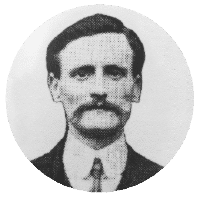


In 1624, the Company of Cutlers in Hallamshire was granted its Act of Incorporation. The industry had already been regulated locally for generations, first by the Lord of the Manor, then by a jury, and later by a separate court. The Act gave that structure a name and a territory: throughout Hallamshire and within six miles of its boundaries. Within that territory, the Company had authority over the making of knives, blades, scissors, shears, sickles and all wares of the trade.
Its nearest equivalents are the great Livery Companies of London. Uniquely, it was founded by Act of Parliament rather than by Royal Charter. It is the only company of its kind in the United Kingdom to have been established that way.
The principal duty of the Company was the granting of marks. A mark on a blade meant the maker could be found.
To receive a mark, it first had to be earned. A boy would serve an apprenticeship under a registered Master, often for seven years or more. Only then could he take his freedom. The word was literal. Within the territory of Hallamshire, no one was permitted to forge or sell a blade, a pair of scissors, or any cutting tool independently without it. The Freedom was the legal right to work your trade as your own man. Those outside it were not competitors on equal terms: they faced fines, confiscation, and exclusion from the market.
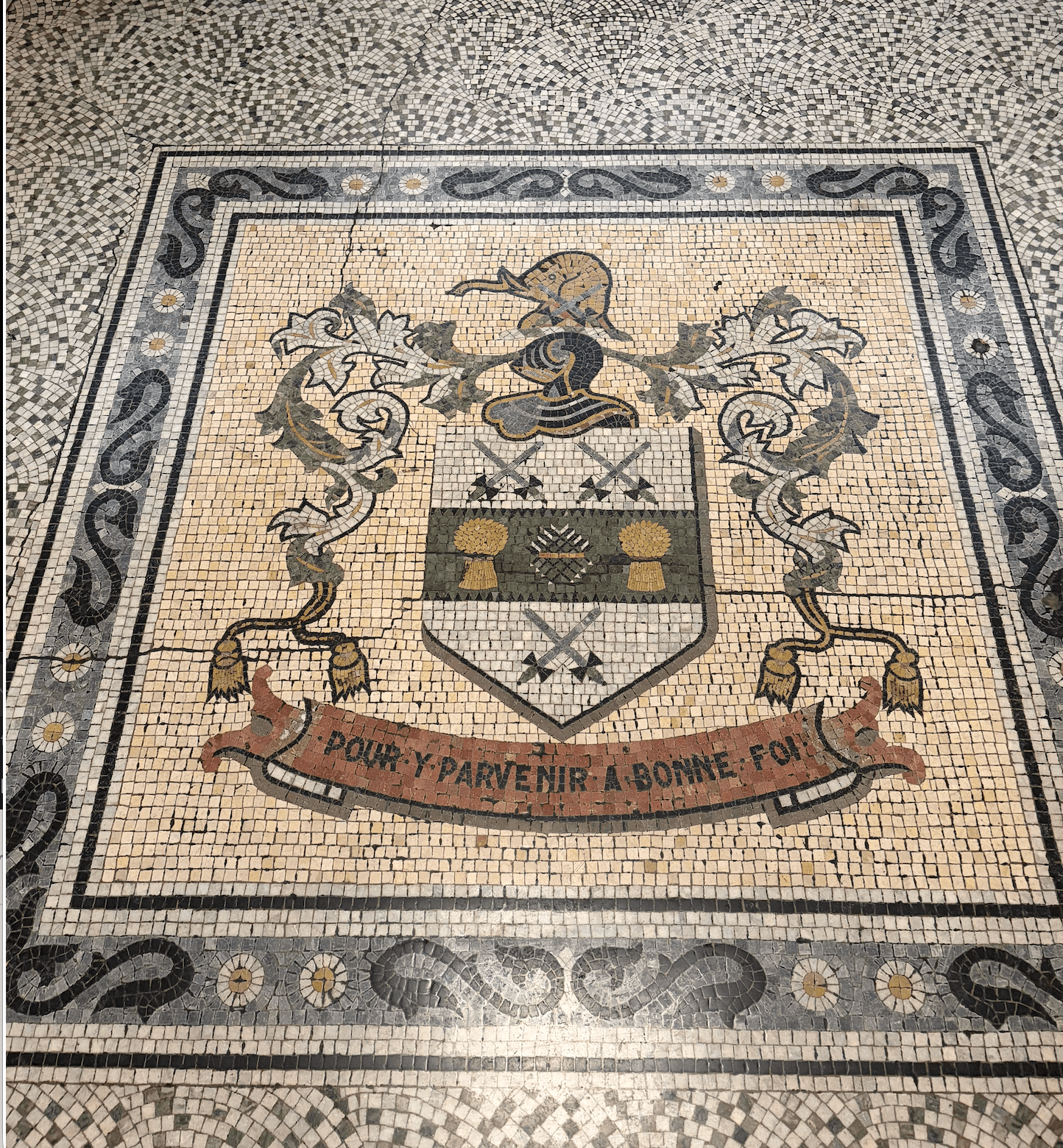
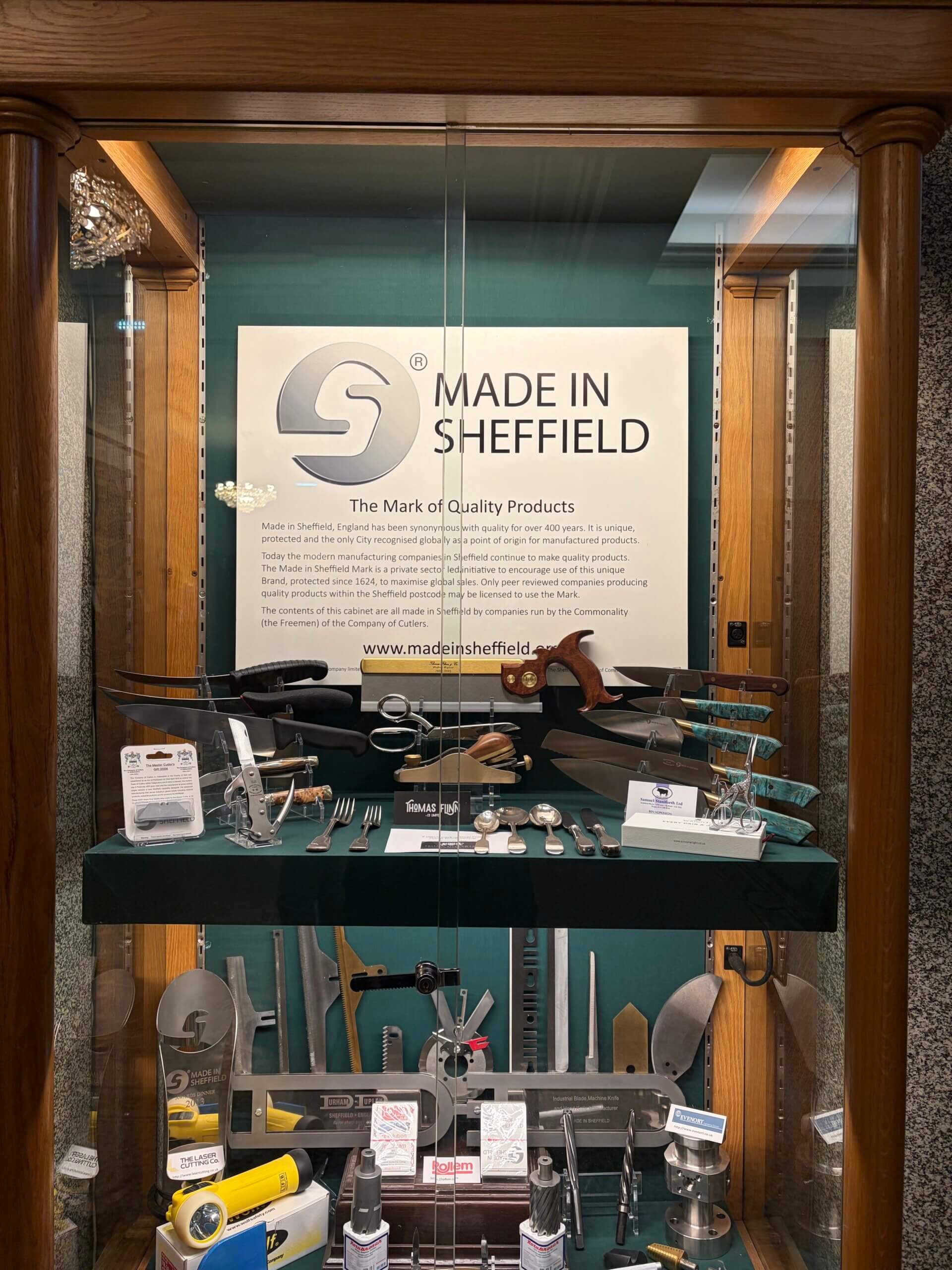
The Company still exists today. It works with young people entering manufacturing, supports industry across South Yorkshire, and connects makers across time through a structure four hundred years old. It does not do this loudly. The Made in Sheffield mark, which the Company administers alongside Sheffield City Council and the Chamber of Commerce, carries the same principle forward.
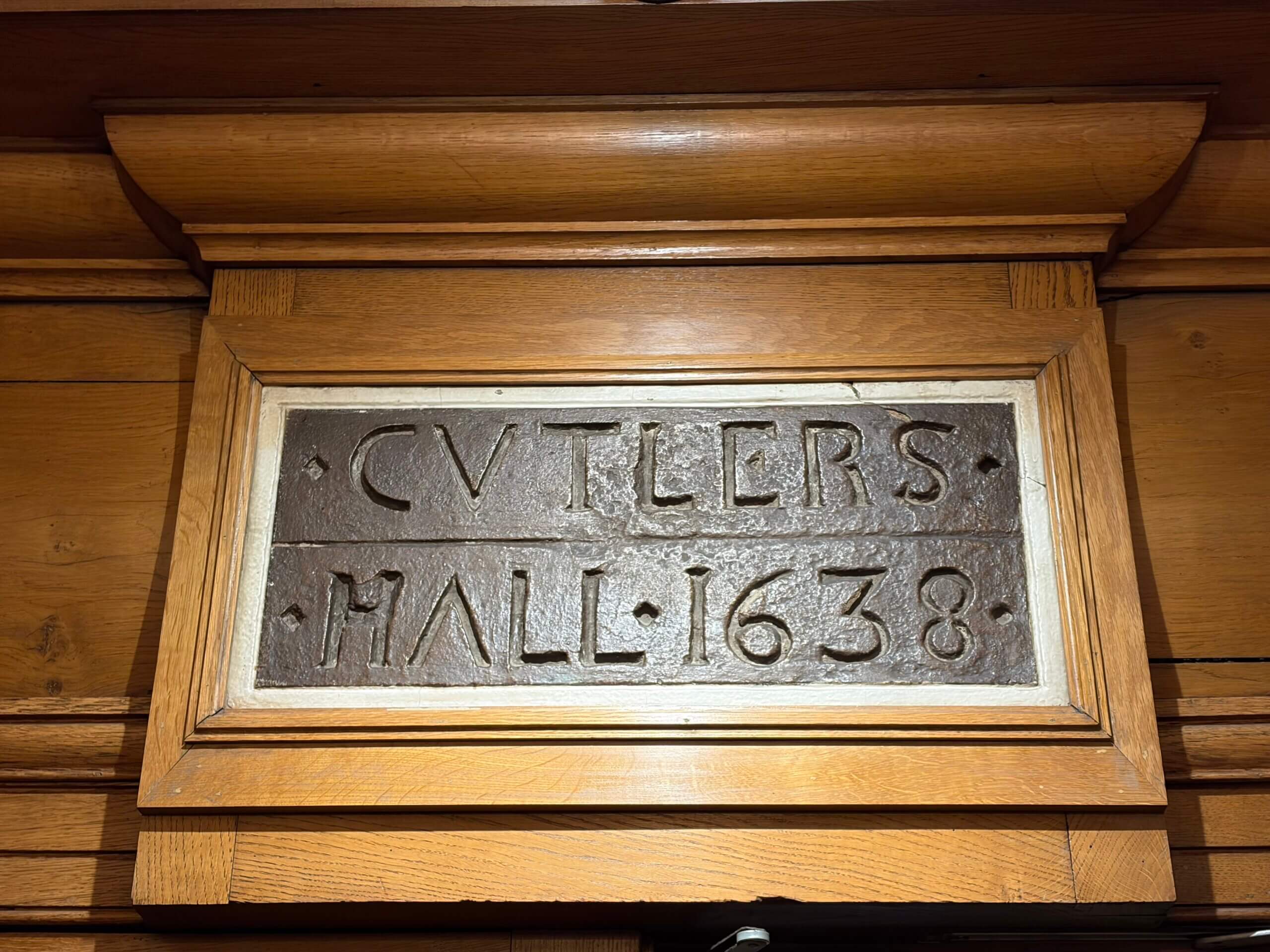
Its home is Cutlers’ Hall on Church Street in Sheffield, opposite the Cathedral. The first hall was built on this site in 1638. The present building, the third, dates from 1832 and is Grade II* listed. It is considered one of the finest halls of its kind in the country.
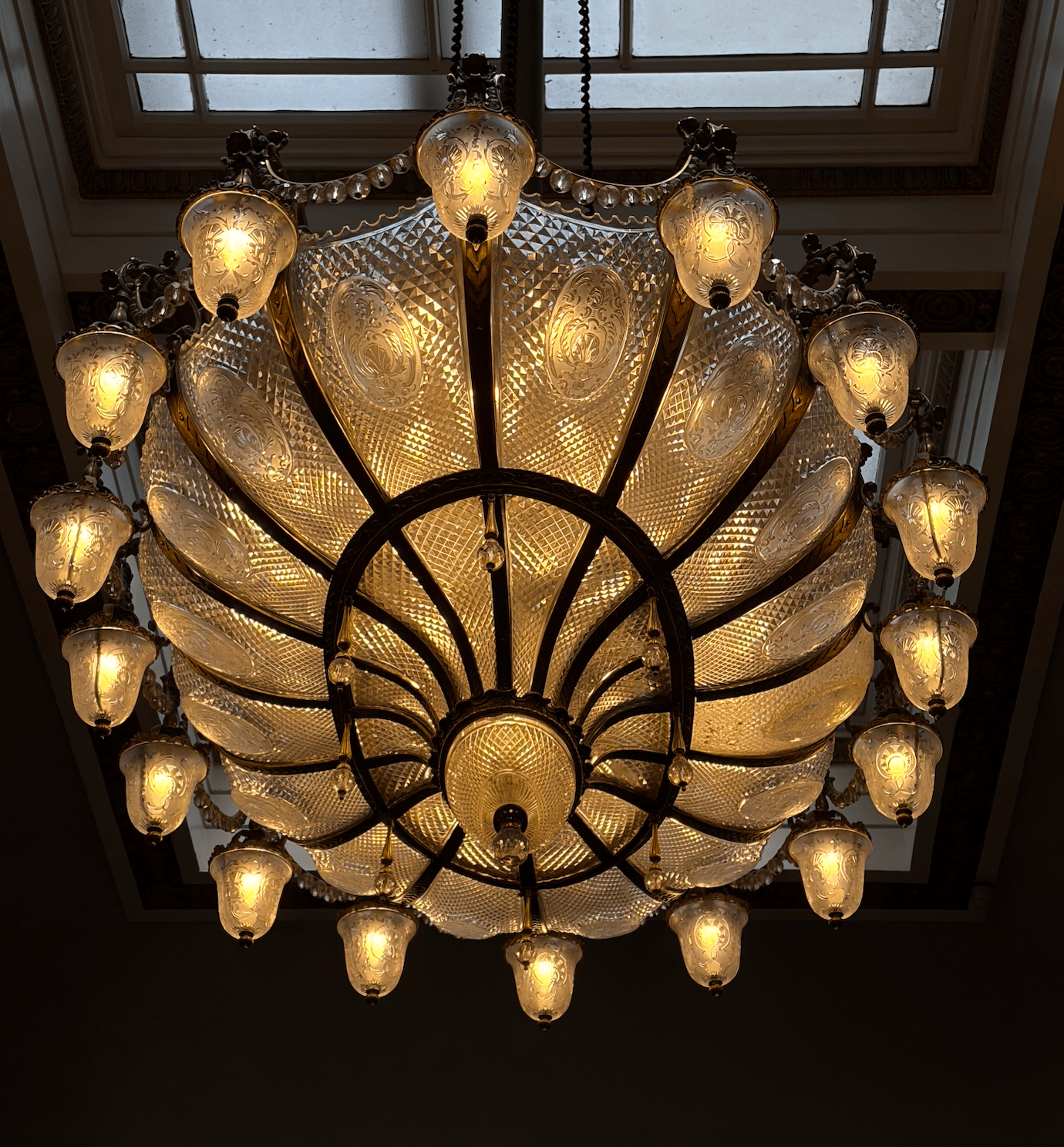
The Silver Vestibule is lined with panelling from the RMS Olympic, sister ship of the Titanic, salvaged when she was broken up in the mid-1930s. The chandelier above it hung in the Olympic’s first-class drawing room. It is one of two ever made. The other was lost on the Titanic.
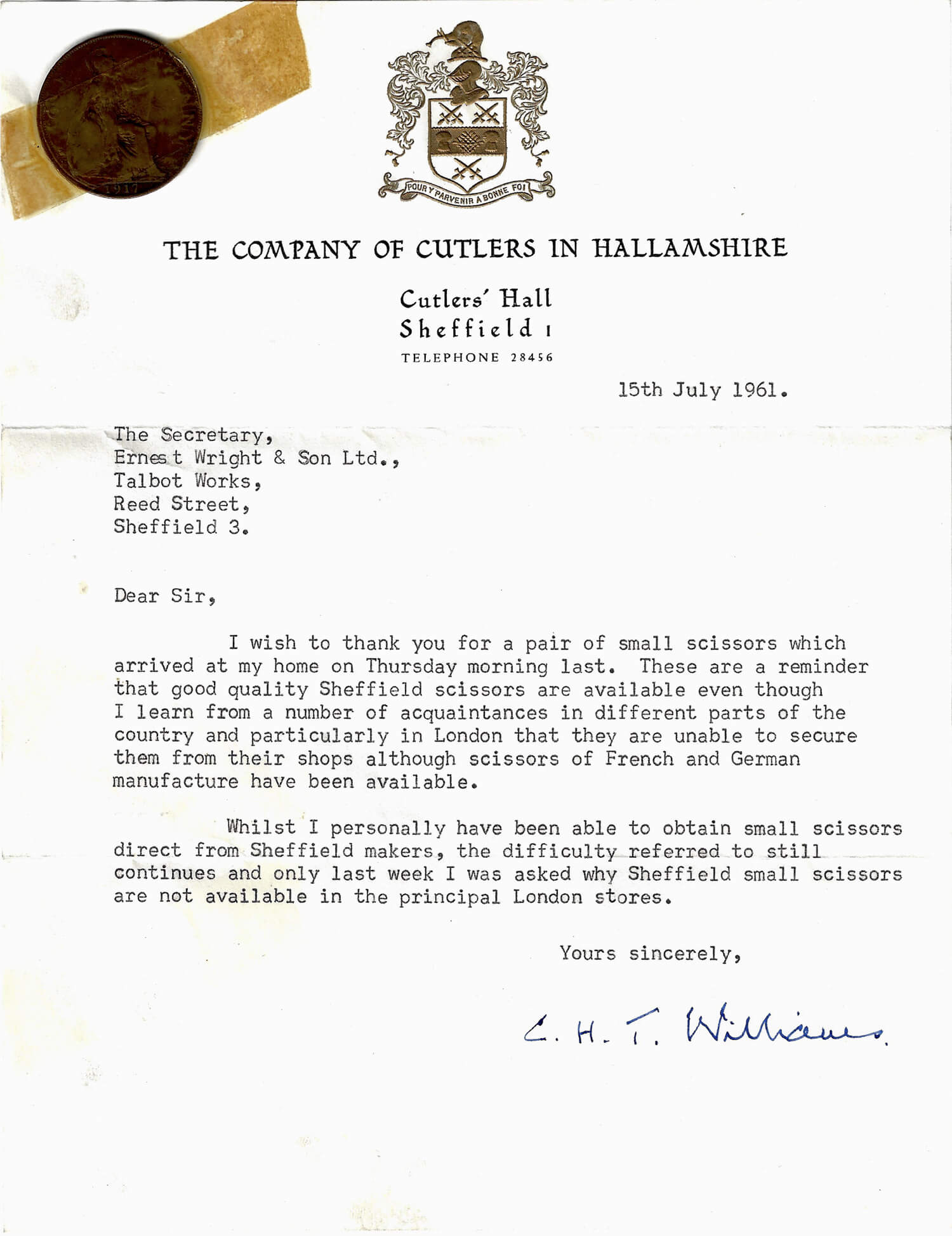
In the archive at Kutrite Works, there is a letter. It was sent from Cutlers’ Hall on 15 July 1961, on the Company’s own headed paper, addressed to The Secretary, Ernest Wright & Son Ltd, Talbot Works, Reed Street, Sheffield. The writer was C.H.T. Williams, then Master Cutler.
He wrote to thank Ernest Wright for a pair of small scissors that had arrived at his home that week. And then he raised something that was troubling him: his acquaintances across the country, and particularly in London, were unable to secure Sheffield scissors for their shops. He had been able to obtain them direct from Sheffield makers, but the difficulty continued. French and German scissors were available; Sheffield scissors were not in the principal London stores.
That was 1961. Ernest Wright still experiences the tension it describes.
The Freedom of the Company is for life. It connects you to everyone who has held it before, and to everyone who will hold it after.Philip Wright received his decades ago. Paul Jacobs received his more recently. That thread runs through the company in both senses of the word.
We return to Cutlers’ Hall throughout the year. The annual Cutlers’ Feast remains the occasion that most clearly shows what the Company is: a working institution, not a preserved one, still doing the job it was set up to do.
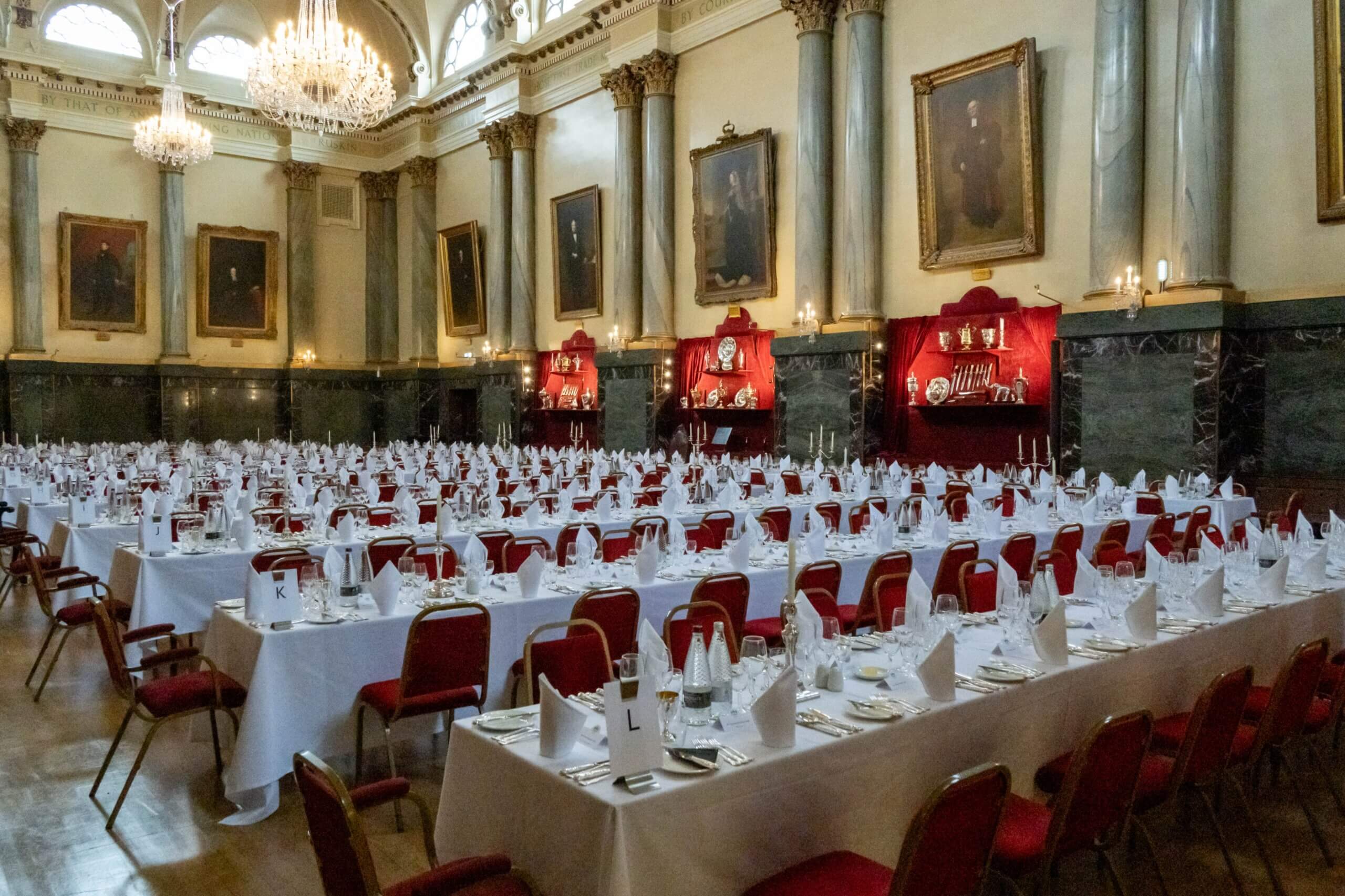
In June 2026, photographer Mash Bonigala visited Cutlers’ Hall at our invitation, and documented what he found there for The England Archive. His account of the building is worth reading alongside this one.
“We have in Sheffield the best of its kind done of English hands. Unsurpassable.”
John Ruskin, 1859